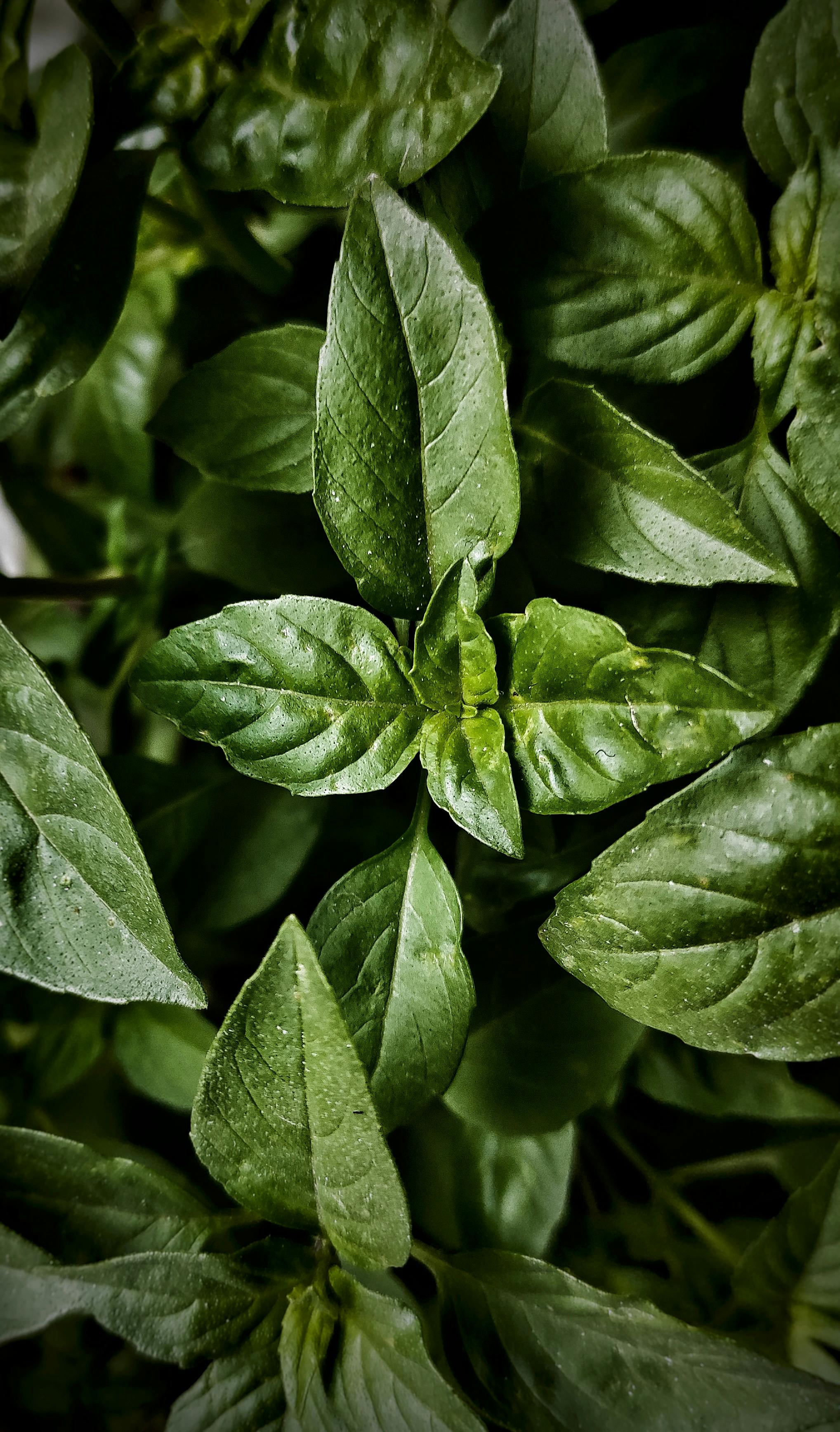
The diets react (see scores below)
Diet Ratings
Thai basil is an herb used in small quantities with negligible carbs and calories. Adds flavor without impacting macros. Excellent keto-friendly seasoning.
Thai basil is a fresh herb (Ocimum basilicum var. thyrsiflorum). Entirely plant-derived with no animal ingredients or processing concerns. A whole plant food.
Thai basil is an unprocessed herb used for flavoring, available to hunter-gatherers. Contains no grains, legumes, or additives and provides phytonutrients and flavor without caloric impact.
Thai basil is a Southeast Asian herb not part of Mediterranean culinary tradition. While the Mediterranean diet encourages herbs, it emphasizes Mediterranean varieties like oregano, thyme, rosemary, and sweet basil. Thai basil represents non-Mediterranean cuisine.
Plant-derived herb/spice. All herbs and spices are excluded on carnivore diet as they are plant products containing plant compounds and alkaloids.
Thai basil is an herb with no excluded ingredients. It is a whole, unprocessed botanical product compliant with Whole30.
Thai basil is an herb with negligible FODMAP content. Used in small quantities for flavoring. No significant fructans, GOS, lactose, excess fructose, or polyols. Safe at all practical serving sizes.
Thai basil is a fresh herb with negligible sodium, calories, and no added sugars. It adds flavor and contains beneficial plant compounds and antioxidants. Herbs are encouraged in DASH to enhance taste without salt.
Thai basil is an herb used in minimal quantities for flavoring. It contains negligible calories, carbs, protein, and fat per typical serving. It is a polyphenol-rich anti-inflammatory herb that aligns with Sears' emphasis on phytonutrients. Zero glycemic impact and enhances Zone meals without macro disruption.
Thai basil is rich in polyphenols, flavonoids, and volatile oils (eugenol, linalool) with documented anti-inflammatory and antioxidant properties. Low calorie, no added sugars or oils. Aligns with anti-inflammatory herb emphasis.
Thai basil is a fresh herb with negligible calories, no fat, and adds flavor without triggering GI distress. It enhances palatability of lean proteins and vegetables, supporting adherence to nutrient-dense meals. Used in typical culinary amounts (small handfuls), it poses no GLP-1 concerns.
Nutritional profile
Six traits that cut across every diet.
Fiber & Plants
How much whole-plant food and fiber it delivers.
Healthy Fats
The quality of its fats (unsaturated, omega-3).
Whole / Unprocessed
How close it is to its natural, unprocessed form.
Gut Gentle
How easy it is on digestion (low FODMAP, few irritants).
Low Glycemic
How little it spikes your blood sugar.
Protein Density
How much protein it packs per calorie.
Controversy Index
Score range: 1–10/10. Higher controversy = more disagreement between diets.
Diet-Specific Tips for Thai basil
 Keto — 9/10
- Negligible net carbs per serving
- Used in small quantities
- No sugar or additives
- Enhances flavor without macro impact
 Vegan — 10/10
- fresh herb
- no animal ingredients
- whole plant
 Paleo — 9/10
- Unprocessed herb
- No additives
- Minimal quantity use
- Natural flavoring agent
 Whole30 — 9/10
- Pure herb
- No added ingredients
- Allowed seasoning
 Low-FODMAP — 9/10
- herb category
- minimal carbohydrate content
- used in small portions
 DASH — 9/10
- zero sodium
- minimal calories
- antioxidants and phytonutrients
- flavor enhancement without salt
 Zone — 9/10
- Negligible macronutrient contribution
- Polyphenol-rich anti-inflammatory herb
- Zero glycemic impact
- Enhances flavor without macro disruption
 Anti-Inflammatory — 8/10
- polyphenols and flavonoids
- volatile oils (eugenol, linalool)
- antioxidant activity
- no additives
 GLP-1 Friendly — 8/10
- zero caloric impact
- flavor enhancement
- no GI irritation
- supports meal enjoyment